


If it feels like your renewal notice arrives with a higher number every single time, you are not imagining things. Drivers across the country, regardless of their state, driving record, or vehicle type, are watching their bills grow year after year. Understanding the forces behind these increases can help you make smarter choices about coverage, shopping habits, and long-term budgeting. This article breaks down the biggest drivers of rising costs and what you can realistically do about them.
Rising Repair Costs for Modern Vehicles
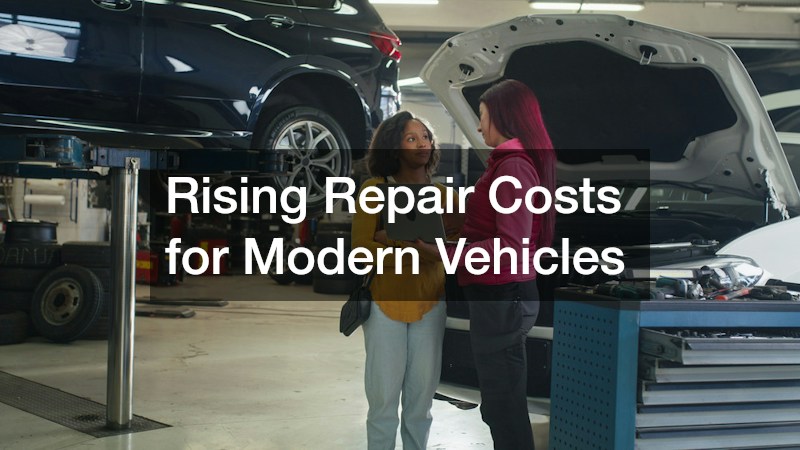
Cars today are packed with sensors, cameras, and computer modules that make even minor fender benders expensive to fix. A cracked bumper that once cost a few hundred dollars to replace might now require recalibrating a forward-collision sensor, adding hundreds more to the bill. Insurers pass these higher repair costs directly to policyholders through increased premiums, since claims payouts have grown substantially over the past several years.
- Advanced driver assistance systems require specialized calibration after repairs
- Aluminum and high-strength steel bodies cost more to repair than older materials
- Parts shortages and supply chain delays have driven up labor and material costs
- Even minor collisions now often trigger costly electronic system checks
Increased Frequency of Severe Weather Events
Hailstorms, hurricanes, floods, and wildfires have become more frequent and more destructive, and vehicles parked outside are often caught in the path. Insurers covering comprehensive claims in these regions have seen payouts spike dramatically after major weather events, and those losses get factored into future pricing across entire states. This means even drivers who never experience severe weather themselves may see their rates climb because they share a risk pool with those who do.
Some states have become particularly costly to insure because of repeated exposure to catastrophic events. Insurance companies adjust their rate filings based on regional loss history, so a single bad wildfire season or an active hurricane year can influence premiums for several years afterward. This regional ripple effect explains why two drivers with identical records can pay very different amounts depending on where they live.
More Distracted and Dangerous Driving Habits
Smartphone use behind the wheel has contributed to a noticeable rise in accidents, and insurers have responded by adjusting risk models accordingly. Traffic fatalities climbed sharply in recent years, partly due to distracted driving, speeding, and impaired driving trends that emerged during and after the pandemic. Because claims frequency and severity both increased, insurers needed to raise rates simply to keep pace with the payouts they were making.
- Distracted driving citations have increased in many states
- Speeding-related fatalities remain above pre-pandemic levels in several regions
- Impaired driving incidents continue to strain insurer loss ratios
- Higher accident severity often means longer hospital stays and larger claims
Inflation and Rising Medical Expenses
General inflation touches nearly every part of the claims process, from the cost of replacement parts to the labor rates mechanics charge. Modern vehicles are also packed with sensors, cameras, and computerized components, so even minor fender-benders can trigger repair bills that run into the thousands. A bumper replacement that once required a simple part swap may now involve recalibrating a collision-avoidance system, adding hours of specialized labor to the invoice. Medical inflation compounds this problem further, since injury claims tied to auto accidents often involve emergency care, physical therapy, and long-term treatment that has become significantly more expensive. Hospital stays, diagnostic imaging, and rehabilitation services have all seen costs climb well beyond the general inflation rate in recent years. Because bodily injury claims can take months or years to fully resolve, insurers must also account for future medical cost growth when setting reserves, adding another layer of financial pressure. When medical and repair costs rise faster than premiums can be adjusted, insurers eventually need larger rate increases to catch up financially. Regulatory approval processes in many states can delay these adjustments, meaning insurers sometimes absorb losses for a period before rates catch up to actual claim costs. The end result is often a sharper, more noticeable premium hike once approval finally comes through, rather than a smooth, gradual increase that tracks costs in real time.
Medical costs tied to auto accident claims have climbed steadily, driven by higher hospital charges, pricier diagnostic imaging, and the rising cost of long-term rehabilitation for serious injuries. General inflation compounds this problem, pushing up the price of vehicle parts, labor rates at repair shops, and even the rental cars insurers must cover while a policyholder’s vehicle is being fixed. A single fender-bender claim today can cost insurers significantly more than it would have just five years ago, and those higher payouts get passed along to consumers. This is one reason many consumers feel like their car insurance costs are outpacing their overall cost of living. Premiums are not simply reacting to a driver’s personal risk anymore; they reflect broader economic pressures that affect the entire insurance industry, from supply chain disruptions in the auto parts market to nursing shortages that drive up in-network medical billing rates. Some regions feel this more acutely than others, particularly areas with high costs of living or limited access to in-network medical providers, where treatment expenses tend to run higher. Shopping around periodically and comparing quotes from multiple providers remains one of the most effective ways to ensure you are not overpaying as these costs continue shifting. It’s also worth asking your insurer directly how medical and repair cost trends in your specific area have influenced your renewal price, since regional variation can be substantial.
State Regulations and Regional Litigation Trends
Insurance is regulated at the state level, which means rate increases must often be approved by state regulators before taking effect. In states with heavy litigation activity or higher rates of insurance fraud, insurers frequently request larger rate hikes to offset legal costs and fraudulent claim payouts. Some regions have also seen an increase in lawsuits related to accident claims, which can significantly raise the cost of doing business for insurers operating there.
- States with no-fault laws often see different claim cost patterns than at-fault states
- Legal fee structures and lawsuit frequency vary widely by region
- Insurance fraud schemes tend to cluster in certain metropolitan areas
- Regulatory approval processes can delay or accelerate how quickly rates change
Rising premiums are rarely caused by a single factor, but rather a combination of repair costs, weather patterns, driving behavior, inflation, and regulatory dynamics all pulling in the same direction. While you cannot control broader economic or climate trends, you can control how proactively you shop for coverage, adjust your deductibles, and review your policy annually. Taking these steps puts you in a stronger position to manage costs even as industry-wide pressures continue to evolve.